
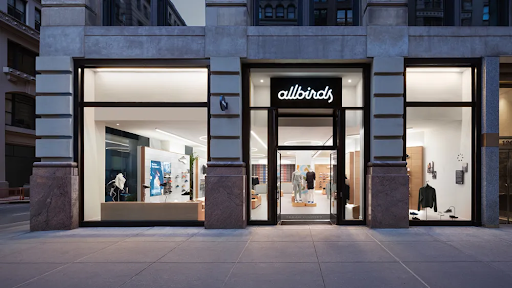
It started with merino wool sneakers. Then came biodegradable flip-flops and running shoes that promised a near-zero carbon footprint. But on Tuesday morning, Allbirds, the struggling San Francisco-based footwear darling turned cautionary tale, threw out the playbook entirely.
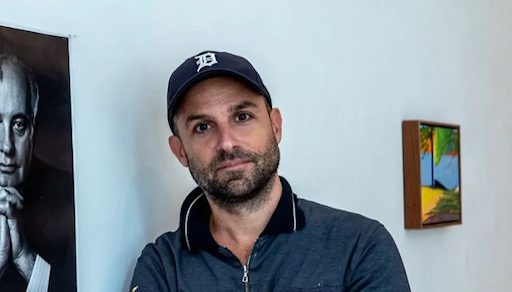
In a seven-minute prerecorded video titled “The Next Sole,” co-founder and CEO Joey Zwillinger announced that the company is exiting the footwear business to focus exclusively on lab-grown, plant-based meat substitutes. The pivot sent the stock into a frenzy. Shares of BIRD, which had traded below 40 cents for most of the past year, surged more than 700% in early trading, hitting $3.21 before paring some gains to $2.87 as of 10:30 a.m. ET.
“We realized we were fighting a losing battle against Nike, Adidas, and even newer upstarts like Hoka and On,” Zwillinger said in the video, standing in front of what appeared to be a dismantled shoe assembly line. “But what we learned about natural fibers, fermentation, and structural biomaterials over the last decade that’s the real gold. We’re not a shoe company anymore. We’re a food company.”
The new product line, called “BIRD Bite,” is described as a “hybrid meat patty” grown from sheep cell cultures combined with a proprietary blend of merino wool-derived peptides and fermented eucalyptus pulp. According to a white paper quietly posted on Allbirds’ investor relations site, the patty “marbles like beef, cooks like poultry, but contains zero animal slaughter and 87% less water usage than Beyond Meat’s current formulations.”
Wall Street analysts who cover the company, a dwindling group of just three, according to FactSet, were blindsided. At least two downgraded the stock to sell last month, citing “no viable turnaround strategy” after the company reported an eighth consecutive quarterly loss in February.
“I have covered retail for 15 years, and I have never seen anything like this,” said Piper Sandler analyst Erin McGrath, who still has a “neutral” rating on BIRD. “One day, you’re liquidating size 9 running shoes at TJ Maxx. Next, you’re claiming you can replace the McDonald’s McDouble. It’s either genius or a complete hallucination. There is no in-between.”
Allbirds did not offer tastings or lab results to journalists before the announcement. A company spokesperson said independent third-party trials will begin in June at three “undisclosed quick-service restaurant partners.” Zwillinger hinted in the video that one of those partners is “a burger chain with a very famous clown,” though McDonald’s declined to comment.
The pivot raises immediate logistical and regulatory questions. Allbirds has no food manufacturing facilities, no USDA or FDA approvals for cultured meat, and no distribution agreements with grocery chains or restaurants. The company’s most recent quarterly filing showed just $34 million in cash on hand, enough for roughly five months of operations at current burn rates.
Yet retail investors on Reddit have already dubbed the move “the great wool-to-whopper trade.” Pre-market volume on Tuesday exceeded the stock’s average monthly volume from the first quarter. Short interest, which had climbed to 43% of the float as of last week, triggered a massive short squeeze as brokers scrambled to cover positions.
Not everyone is buying the hype. Short seller firm Citron Research issued a note within 20 minutes of the announcement, calling it “a desperate Hail Mary from a zombie company.” The note added: “Shoes didn’t work. So they’re making meat from old sneakers? This is satire, not a business plan.”
Allbirds’ origin story was always deeply tied to sustainability. The company gained cult status in the mid-2010s for its minimalist, eco-friendly wool runners, even going public in 2021 at a valuation of over $4 billion. But competition and changing fashion tastes crushed its margins. By 2024, the stock had lost 95% of its value. Store closures followed. In January of this year, the company announced it would exit all international markets.
Zwillinger acknowledged the turmoil in his announcement. “We have 237 employees left,” he said. “As of today, 180 of them will begin retraining as food scientists and fermentation specialists. The other 57 will handle legal, regulatory, and let’s be honest, damage control.”
The company’s website has already been overhauled. The iconic wool sneaker silhouette is gone, replaced by a looping video of a pink, sizzling patty on a grill. The tagline reads: “Wear less. Eat better.”
Whether consumers agree remains to be seen. But for one morning on Wall Street, a failed shoe retailer somehow became the most talked-about name in food tech.