
As trade war tremors continue to rattle global markets, a fascinating disconnect is playing out on Wall Street. While traditional sectors tighten their belts, the relentless machine of AI expansion is shifting into overdrive. In the latest and most aggressive move yet, a set of data centres linked to tech titan Google has just thrown a $5.7 billion chip onto the table.
However, this isn’t your typical Silicon Valley venture capital round. This is a junk bond. And not just any junk bond: it’s the largest dollar-denominated high-yield deal of its kind in history.
The Anatomy of a Monster Deal
According to sources familiar with the matter, Morgan Stanley kicked off marketing for the massive issuance on Wednesday, with pricing expected as soon as this weekend. The entity behind the raise is Meridian Arc HoldCo LLC, a joint venture owned by Next Frontier and the cloud-computing upstart Fluidstack.
But the real anchor here is Google. The search giant is providing the credit “backstop” for the project, essentially using its balance sheet muscle to reassure bond buyers that this particular slice of high-risk debt is safe.
The scale is staggering. At $5.7 billion, this single sale surpasses every previous(data centre) debt deal on record. Furthermore, it represents the largest high-yield bond ever solely led by a single Wall Street institution, allowing Morgan Stanley to break its own record.
Indiana: The New Frontier of AI
So, where is all this cash going? Not to the crowded hubs of Northern Virginia or Silicon Valley, but to the rural landscapes of Sullivan County, Indiana.
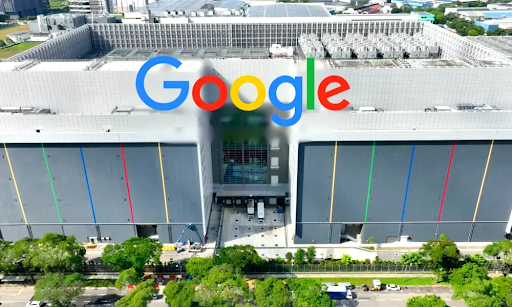
The proceeds are earmarked specifically to finance the construction of two massive data centre campuses in the Hoosier state. These aren’t just storage units for servers; they are the heavy-lifting machinery required to train the next generation of Large Language Models (LLMs).
Once completed, these facilities won’t be run by Google directly. They will be leased to Fluidstack, a name you might not know yet, but likely will soon. Fluidstack specializes in high-performance computing (HPC) infrastructure and has rapidly become a key player in the AI supply chain. This deal essentially finances the physical home for Fluidstack’s operations, with Google acting as the guarantor.
Why “Junk” Isn’t Always Dirty
In the world of finance, “junk” (or high-yield) is a scary word. It implies risk, default, and volatility. However, this deal highlights a modern twist in the credit markets.
While Meridian Arc is a new, non-investment-grade entity, the involvement of Alphabet (Google’s parent company) provides a safety net that most junk issuers lack. Investors are essentially betting on the AI thesis: the demand for computing power is so insatiable that these assets are likely to generate enough cash flow to service the debt.
This move follows a pattern of aggressive financial engineering in the tech space. Just two months ago, Alphabet itself stunned the market by issuing a “century bond” debt that doesn’t mature for 100 years to fund its $185 billion capital expenditure plan for 2026. Now, they are utilizing the junk market to offload some of the construction risk onto yield-hungry investors.
A Reality Check on the AI Boom
For market bears, this might look like the top. Issuing record amounts of high-risk debt during a period of interest rate uncertainty is a bold, some might say reckless, strategy.
But for the bulls, this is evidence of the “privatization” of the AI buildout. The digital infrastructure required for the future is too expensive for any single company’s balance sheet. By turning these data centres into tradeable bonds, Google and its partners are unlocking Wall Street’s deep pockets to pay for the electricity, land, and steel required to power the revolution.
As the week closes, all eyes are on the pricing of these notes. If the market gobbles them up, expect a flood of copycat deals. If investors balk at the $5.7 billion price tag, the AI funding frenzy might finally hit a wall.
For now, though, the bet is placed. It’s Indiana, Google, and $5.7 billion against the future.