
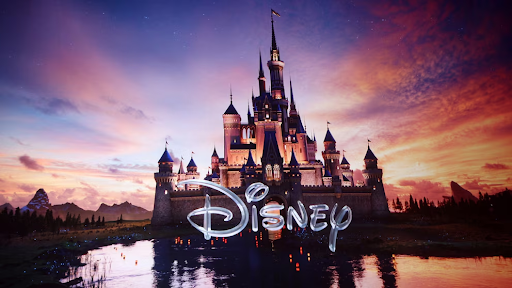
In what analysts are calling one of the most abrupt about-faces in recent tech history, OpenAI has officially pulled the plug on its Sora video generation tool and, in doing so, unceremoniously terminated a blockbuster $1 billion partnership with The Walt Disney Company that was less than four months old.
The deal, heralded last December as a turning point for Hollywood and artificial intelligence, was supposed to give Sora users access to over 200 of Disney’s most beloved characters from Mickey Mouse to Yoda, from Elsa to Iron Man. Instead, it’s dead before it even really began.
The news broke on Tuesday when OpenAI announced it would be winding down Sora and stepping away from the consumer video-generation business entirely. But it’s what happened the night before that has insiders talking.
A 30 Minute Warning
According to sources familiar with the matter, representatives from Disney and OpenAI were in a meeting late Monday evening, actively collaborating on a project tied to the Sora platform. The conversation, by all accounts, was productive. Then, just 30 minutes after that meeting concluded, the Disney team received a startling notification: OpenAI was scrapping the whole thing.
“There was no slow build-up to this,” one insider told The Wall Street Journal. “One minute they’re planning the next phase of work, the next they’re being told the foundation has been pulled out from under them.”
OpenAI made it official on Tuesday. The company announced it would be sunsetting its consumer Sora app, the developer API, and video support within ChatGPT. The Sora team itself posted on X: “We’re saying goodbye to Sora. We know this news is disappointing.”
For Disney, which had just welcomed new CEO Josh D’Amaro last week, the timing could not have been more awkward. The former head of Disney’s Parks division took the top job, promising to focus on “immersive, interactive, and personal ways for people to experience Disney.” AI-generated content was supposed to be a cornerstone of that vision.
The $1 Billion Deal That Never Was
When the partnership was announced in December 2025, it made headlines for all the right reasons. Disney was taking a $1 billion equity stake in OpenAI a significant vote of confidence from one of the world’s most powerful entertainment companies. In exchange, OpenAI gained access to a vault of intellectual property that most tech firms can only dream of licensing.
The three-year agreement would have allowed Sora users to generate short-form videos featuring iconic Disney characters. Disney+, in turn, was planning to feature a curated collection of these AI-generated shorts, a move widely seen as the company’s answer to the explosive growth of short-form content on platforms like YouTube and TikTok.
But according to multiple reports, the deal was never fully finalized. No money actually changed hands. And now, it never will.
“Given OpenAI is still unprofitable, and pressure from investors and rivals is growing, this is cash they likely decided they can’t afford to continue burning as initial interest has faded,” Henry Ajder, an expert on AI and deepfakes, told the BBC.
Why Sora Had to Die
On the surface, Sora looked like a winner. When OpenAI first demoed the tool in early 2024, it stunned the tech world with its ability to generate cinematic-quality footage from simple text prompts. The standalone app, launched last September, hit over a million downloads in just five days.
But behind the scenes, Sora was bleeding resources. The computational power required to generate high-quality video was cannibalizing capacity from other parts of OpenAI’s business, including the coding tools and enterprise products that actually generate revenue.
“It was a resource black hole with limited monetization,” Thomas Husson, an analyst at Forrester, told the BBC. He also pointed to persistent problems with non-consensual imagery and copyright infringement that made the platform a legal minefield.
For a company preparing for a potential IPO as early as this year with a valuation reportedly around $730 billion, the math simply stopped adding up.
CEO Sam Altman reportedly issued an internal “red alert” some time ago, urging employees to focus on core priorities. In recent weeks, the company has been consolidating its offerings, including ChatGPT and the Codex programming tool, into what executives are calling a “super application.” Fidji Simo, previously head of the apps business, now carries the title “CEO of AGI Deployment,” reflecting the company’s new focus.
The Empire Strikes Back?
For Disney, the collapse of the OpenAI partnership leaves its AI strategy in a state of flux. The company had staked significant hopes on Sora as a way to juice engagement on Disney+, which has seen its U.S. viewership share stagnate at around 4.9% barely higher than it was five years ago.
A Disney spokesperson struck a diplomatic tone in response to the news: “We respect OpenAI’s decision to exit the video generation business and to shift its priorities elsewhere. We appreciate the constructive collaboration between our teams and what we learned from it.”
But the frustration is palpable. Sources say the two companies are now in discussions about whether there might be other ways to collaborate perhaps outside the video space. But for now, one of the most talked-about partnerships in tech and entertainment is effectively dead.
A Turning Point for the AI Hype Cycle?
Industry observers see the Sora shutdown as something bigger than just one company’s strategic pivot. It may be a sign that the AI industry is moving from a phase of wild experimentation to something far more disciplined and far more focused on the bottom line.
The message from Silicon Valley seems to be getting clearer: even if you can build something spectacular, that doesn’t mean you should.
For OpenAI, the path forward now leads away from consumer gimmicks and toward the unglamorous but lucrative world of enterprise software, coding tools, and robotics. The company has already begun redirecting its Sora team toward long-term research projects including work on physical robots that apply video-generation training methods to real-world tasks.
As for Disney, the search is on for a new dance partner. With streaming competition fiercer than ever and a new CEO looking to make his mark, the company can’t afford to wait. The magic kingdom, it seems, will have to find its AI happily ever after somewhere else.