
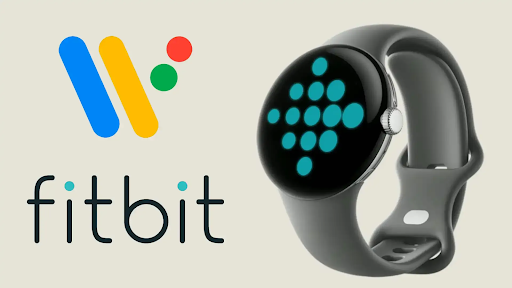
A significant chapter in the consumer technology landscape has drawn to a close. Fitbit’s direct commercial operations in Singapore have officially wound down, a move coinciding with the final integration of the fitness tracking pioneer into Google’s broader hardware ecosystem. The transition marks the completion of a US$2.1 billion acquisition first announced in late 2019, effectively retiring one of the most recognisable names in wearable health technology within the local market.
For nearly a decade, Fitbit served as a household name across the city-state. From the early days of the clip-on Fitbit Ultra to the popular Charge and Inspire wristbands, the brand cultivated a loyal user base among Singaporeans keen on tracking steps, sleep quality, and heart rate. Local electronics retailers like Challenger, Best Denki, and Courts once dedicated entire display sections to Fitbit products, often positioned as the entry point for consumers new to activity tracking.
That retail presence has now been quietly phased out. Store checks across major shopping centres in Orchard Road, Jurong East, and Tampines show that Fitbit display racks have been replaced by Google’s Pixel Watch and Pixel Watch 2 units, alongside Samsung Galaxy Watches and Garmin devices. Several authorised retailers confirmed that new Fitbit stock has not been replenished for months. Existing inventory continues to be sold at clearance prices, with no further shipments scheduled.
Google completed the full absorption of Fitbit’s intellectual property and engineering teams earlier this year. The Singapore wind-up reflects a global strategy: phasing out standalone Fitbit devices while incorporating key features, such as advanced sleep tracking, daily readiness scoring, and heart health monitoring into the Pixel Watch and Fitbit-branded features within the Google Fitbit app. New users registering for a Fitbit account in Singapore now receive prompts to log in using a Google account, a mandatory change introduced in 2023.
Local customer support channels have also restructured. The dedicated Fitbit help hotline in Singapore no longer operates. Calls route to a general Google hardware support team. In-person service counters at selected electronics malls have closed. Users seeking warranty replacements for existing Fitbit devices must now initiate claims entirely online through the Google Store portal, a shift that has drawn mixed reactions from long-time customers.
Data privacy formed a central point of discussion throughout the acquisition process. Regulatory bodies in several jurisdictions, including the European Commission, imposed strict conditions on Google’s use of Fitbit health data. Singapore’s Personal Data Protection Commission (PDPC) monitored the transition closely. Under the current arrangement, Google commits not to use Fitbit-collected health and wellness data for advertising purposes. This data remains stored separately from Google’s core ad-serving infrastructure. Existing Fitbit users in Singapore retain control over their historical health records, with options to export data via Google Takeout before full account migration.
The device portfolio itself has narrowed. Fitbit’s 2024 lineup included only the Inspire 3, Charge 6, and the Sense 2 and Versa 4 smartwatches. No new models are expected for 2025 or beyond. Industry analysts note that Google has effectively ceased independent Fitbit hardware development. The engineering talent previously focused on Fitbit-specific devices now works on unified wearables software, blending Fitbit’s health algorithms with Google’s Wear OS platform.
For Singapore’s vibrant second-hand electronics market, the news has generated a different effect. Carousell, the region’s dominant peer-to-peer marketplace, has seen increased listings for discontinued Fitbit models such as the Versa 3 and Sense. Sellers market these as “last generation” collector items. Prices have not risen significantly, however, as most buyers remain focused on newer platforms from Apple, Samsung, and Garmin.
Corporate wellness programmes across Singapore have also adjusted. Several multinational companies and local enterprises previously issued Fitbit devices to employees as part of step challenges and health incentive schemes. These programmes have migrated to Google’s Fitbit platform or switched to alternative providers such as LumiHealth and Healthy 365. The Singapore government’s own National Steps Challenge, a flagship initiative by the Health Promotion Board, has never relied exclusively on Fitbit, supporting multiple tracker brands from the outset. That diversification now appears prescient.
Local fitness communities have taken notice. The “Fitbit Singapore” Facebook group, once a lively forum for troubleshooting and celebrating step milestones, now sees fewer posts. Long-time members have migrated to broader wearable technology groups or switched to Garmin and Coros devices for more advanced running metrics. One group administrator noted in a final pinned post that “the hardware may go, but the community’s focus on daily movement remains.”
Google has not announced any immediate plans for a dedicated Pixel Watch physical retail presence in Singapore beyond existing Google Store displays at partner electronics chains. The company continues to operate its Asia-Pacific headquarters in Singapore, employing hundreds of staff across engineering, sales, and cloud services. The Fitbit wind-down has not resulted in significant local layoffs, as most Singapore-based Fitbit roles had already transitioned to Google teams over the past three years.
Current Fitbit device owners need not discard their trackers immediately. Google has committed to supporting existing Fitbit hardware with critical security updates and basic functionality through at least 2026. However, new feature releases have ceased. The Fitbit mobile app remains downloadable from the Apple App Store and Google Play Store in Singapore, though future updates will focus primarily on integration with Google accounts and Pixel Watch compatibility.
Retail analysts view the move as inevitable. The dedicated fitness tracker category, single-purpose devices without full smartwatch capabilities, has steadily declined. Apple Watch’s dominance, combined with cheaper fitness bands from Xiaomi and Huawei, eroded Fitbit’s market share. Google’s acquisition provided a graceful exit rather than a sudden collapse.
The final Fitbit shipment arrived at Singapore’s Changi Airport cargo terminal in late 2024. No fanfare accompanied its clearance. For consumers who remember queuing at the now-defunct SingTel Comcentre launch events for the original Fitbit Flex in 2013, the quiet conclusion carries a particular weight. The brand that popularised the 10,000-step goal, turned sleep tracking into a mainstream conversation, and made heart rate monitoring accessible to office workers has reached its natural end.
What remains is the software and the habits. The Fitbit app still surfaces step data, sleep scores, and heart rate variability for millions of active users worldwide, including tens of thousands in Singapore. The hardware may vanish from store shelves, but the daily walk, the morning weigh-in, and the glance at a wrist-based heart rate monitor practices Fitbit helped normalise continue without interruption.