
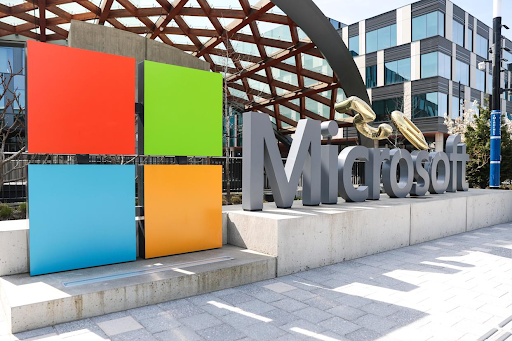
In the cutthroat theater of corporate cost-cutting, the reflex has long been the same: draw up a list, call in HR, and hand out pink slips. But when Microsoft offered voluntary separation packages to roughly 700 sales-and-ops employees earlier this spring, tucked discreetly into a broader reorganization, it signaled something far more sophisticated than simple charity.
It signaled an understanding that in a war for AI talent and regulatory goodwill, how you fire matters as much as who you hire.
Voluntary buyouts are not new. But their resurgence among tech giants like Microsoft, and increasingly across Fortune 500 boardrooms, deserves a second look. Here’s why a humane off-ramp is often more profitable than a cold layoff.
First, preservation of institutional morale.
Layoffs are a contagion. Research from the University of California, Davis, found that survivors of mass layoffs exhibit a 20% drop in job satisfaction and a 41% increase in voluntary turnover within a year. The quiet ones start updating LinkedIn the day after the “town hall.” By contrast, voluntary buyouts keep the decision in the employee’s hands. Those who stay feel trusted; those who leave feel respected. Microsoft, which has spent years rehabilitating its “dog-eat-dog” image from the Ballmer era, cannot afford a backslide as it courts AI developers and cloud engineers.
Second, surgical precision over blunt trauma.
Layoffs are notoriously bad at separating the right people. Managers, under pressure to hit numeric targets, often cut the newest or most vocal, not the least productive or most strategically redundant. A voluntary buyout, structured with tiered tenure-based packages, allows natural attrition to do the work. In many cases, it’s the over‑compensated late-career employee in a sunset role who takes the deal, freeing up budget for two junior AI specialists. Microsoft’s offer, which reportedly included severance, prorated bonus, and extended health benefits, was designed to attract precisely that demographic.
Third, legal and regulatory insulation.
Layoffs invite lawsuits. Age discrimination, wrongful termination, disparate impact—each terminated employee is a potential plaintiff. A voluntary buyout requires signed waivers. Moreover, in jurisdictions like Washington state and the EU, where Microsoft has deep footprints, mass layoffs trigger mandatory notification periods (WARN Act), severance minimums, and even works council negotiations. Buyouts bypass most of that friction. They are faster, quieter, and cheaper per dollar of payroll saved when legal fees are factored in.
Fourth, the brand as a recruiting weapon.
Microsoft is not some distressed retailer; it is a $3 trillion juggernaut fighting Google and OpenAI for the world’s top ML engineers. Those engineers talk. When word spreads that Microsoft offers dignified exits while Amazon or Meta conduct “silent firings” or performance-based culls, the talent calculus shifts. A single negative headline about black-bag layoffs can undo millions in recruiting spend. Voluntary buyouts, announced transparently, earn editorial goodwill and, more importantly, candidate trust.
Fifth, the hidden math of change management.
Layoffs treat people as a problem to be removed. Buyouts treat them as partners in transition. Employees who accept a voluntary package typically help with knowledge transfer, train their successors, and leave without sabotaging client relationships. Those forced out often walk with their notebooks, literal and digital, and their unspoken grudges. In Microsoft’s case, the buyouts coincided with a shift toward AI-driven sales tools. The last thing a sales vice president needs is a demoralized account executive bad-mouthing Copilot to a Fortune 100 customer.
Of course, voluntary buyouts are not a universal answer. They work best when the needed reduction is modest, 5% to 10% of headcount, and when the company has a healthy enough balance sheet to front-load cash payments. They are slower than layoffs and unpredictable: you might lose the wrong people in a critical function. That is why Microsoft still reserves the right to follow a buyout with targeted layoffs if volunteering is insufficient. But as a first move, it is strategically brilliant.
What Microsoft has learned and what every CHRO should copy is that layoffs are not a scalpel. They are a hammer. And in an economy where loyalty is already fractured, a hammer leaves lasting dents. Voluntary buyouts, done transparently and generously, say something different: “We need to change. But we haven’t forgotten that your career built our future.”
That is not just nice. That is a competitive advantage.